From Army to Navy: Basic Score Requirement
You don’t have to worry about the pass and failure scenario when it comes to the ASVAB test. Your score in every category, after all, represents your collect set of skills. Naturally, you should plan and then study for the test to get through the qualification process and avail of a job that is suitable for your skills.
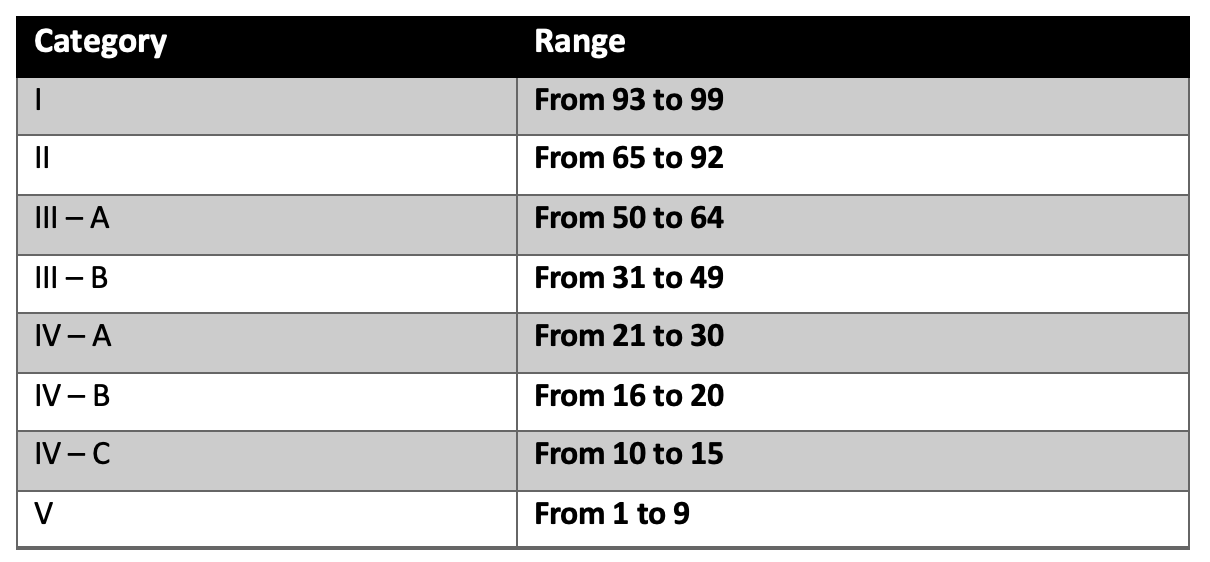
The AFQT score of an applicant is all about the comparison to other talented recruits’ scores who age from 18 to 23 years. It is vital to note down that each armed forces branch has a different score requirement for enlistment. The AFQT score essentially shows a ranked percentage from 1 to 99 about your score placement in comparison to other applicants.
Your minimum score can lead you to a different specialty job. It is one of the reasons. Each branch of the armed forces has a minimal AFQT score that applicants have to achieve for enlistment. However, specialty jobs also have separate eligibility requirements.
The following minimum scores can help you understand the minimum qualification criteria for different branches of armed services:
Air Force
Whether you are a graduated high school or a senior, you need a 36 AFQT score for enlistment. What happens if you don’t have a high school diploma but a GED certification? Well, then you will need a 65 AFQT minimum score for consideration.
AFSC is a standard Air Force position under Air Force Specialty Code. If you want to qualify for that, you need a minimum amount of score in Verbal Expression (Word Knowledge + Paragraph Comprehension) and Arithmetic Reasoning.
Marine Corps
If you want to enlist in the Marine Corps, you must have a high school diploma and as well as a minimum 32 AFQT score. There are, however, a few exemptions for recruits who have a GED or a 50 or higher score of AFQT.
The job of a Marine Corps comes under Military Occupational Specialty or MOS. If you want to get into a MOS-related Marine Corps job, you will have to get a good score on at least one or more categories of the ASVAB test.
Army
To enlist in the Army, you will need an AFQT minimum score of 31. An army position is also essentially a Military Occupational Specialty (MOS), which means you will have to get good scores on at least one or more sections of the ASVAB test.
Navy
If you want to enlist in a reserved or active Navy role, you will have to get a 35 in AFQT. A high school diploma, for instance, would qualify you for the Naval duties. However, if you already have a certification of GED, then get a score of 50 or higher to enlist.
The Coastal Guard and Navy jobs are inherent “Ratings.” Just like the Army and Marine Corps, almost all of the Navy ratings have the minimum requirement to successfully pass at least one or more sections of the ASVAB test. The only exception, however, is reserved for “Master at Arms,” where you will need at least 45 in Word Knowledge and a cumulative 100 in Word Knowledge and Arithmetic Reasoning.
Eligibility Enlistment Score for AFQT is Different
Your AFQT scores are a crucial aspect of ASVAB test scores. And that’s because your AFQT scores cover the four essential categories of the ASVAB:
- Mathematics Knowledge
- Arithmetic Reasoning
- Paragraph Comprehension
- Word Knowledge